Stephan van Vuren

Stephan van Vuren

The Importance of Maintenance in Managing Large Drone Fleets

A drone on the ground with a wrench and some cogs around it with regards to the importance of maintenance

Managing a large fleet of drones and batteries comes with significant responsibilities, especially when it comes to ensuring the safety, efficiency, and longevity of your assets. As drone operations become more integral to industries such as public safety, critical infrastructure management, and security, the importance of regular and thorough maintenance cannot be overstated.

Proper maintenance, alongside frequent pilot training and adherence to standard operating procedures (SOPs) outlined in the operations manual, forms the foundation of safe and reliable drone operations. These three pillars, maintenance, training, and SOPs, are essential for minimising risk, ensuring compliance, and maximising operational effectiveness.

In this blog, we explore the critical role of maintenance and how AirHub’s platform provides the tools needed to manage drone and battery upkeep efficiently.


The Role of Maintenance in Safe Drone Operations

In any aviation-related field, maintenance is paramount to ensuring that equipment remains operational and safe. Drones, like any other aircraft, experience wear and tear over time. Whether it’s the degradation of batteries, the need for firmware updates, or the wear on propellers and motors, maintaining a regular service schedule helps prevent unexpected failures during critical operations.

For organisations managing large drone fleets, the sheer number of assets, whether it’s drones, batteries, or other equipment like docking stations, makes it essential to have a system in place that tracks maintenance schedules, logs service history, and ensures compliance with required maintenance intervals. Neglecting these tasks can result in unsafe flying conditions, leading to incidents that could have been easily prevented with proper maintenance protocols.


AirHub’s Maintenance Feature: Streamlining Your Workflow

AirHub’s platform offers a comprehensive maintenance feature designed to simplify and streamline the entire process of managing maintenance workflows for large fleets of drones and batteries. This feature allows organizations to create and track maintenance workflows, ensuring that all assets are properly maintained and safe to operate.

Here’s how it works:

  1. Create a maintenance workflow:
    Using our platform, you can easily create maintenance workflows tailored to your specific needs. Give the workflow a name, select the assets (drones, batteries, or other equipment) that it applies to, and assign a technician responsible for the maintenance. You can also add maintenance checklists and notes to ensure that each task is performed according to best practices.

  2. Set maintenance intervals:
    One of the most critical aspects of drone maintenance is ensuring that each asset is serviced at the correct interval. Our platform allows you to set maintenance intervals based on time (e.g., every 90 days), number of flights, or usage hours—whichever comes first. This flexibility ensures that assets are serviced at the right time, helping to prevent breakdowns and extending the lifespan of the equipment.

  3. Maintenance overview:
    The maintenance overview provides a clear picture of all your maintenance workflows, including indicators that highlight which workflows require attention. This feature makes it easy to see when an asset is due for maintenance, ensuring that nothing falls through the cracks. Selecting a workflow gives you a detailed view of all the assets covered under that workflow and when each asset is due for its next service.

  4. Recording maintenance:
    Once maintenance is completed, the assigned technician can record the details directly in the platform. This includes notes, costs, and completion date, as well as checking off items on the maintenance checklist to ensure that all tasks were completed. The ability to document maintenance in this way not only ensures compliance but also creates a historical record that can be invaluable during audits or reviews.

  5. Maintenance history:
    In addition to tracking upcoming maintenance, the platform also provides a maintenance history for each asset. This feature allows you to review past maintenance activities, ensuring transparency and accountability. You can see when and what type of maintenance was performed, who conducted the maintenance, and any associated notes or costs. This history is particularly useful for identifying patterns, such as recurring issues, and implementing preventive measures.


Three Pillars of Safe Drone Operations: Maintenance, Training, and SOPs

While maintenance is critical, it is just one of the three pillars necessary for safe drone operations. Alongside regular maintenance, organizations need to ensure that their pilots and support crew are properly trained and that everyone adheres to standard operating procedures (SOPs) as outlined in the operations manual.

  1. Training:
    Frequent and comprehensive training ensures that pilots and operators are up to date with the latest operational standards, safety procedures, and technology updates. Through AirHub’s Training and Skills Module, organizations can easily manage and track training programs, ensuring that all personnel meet the necessary qualifications to safely operate drones.

  2. Standard Operating Procedures (SOPs):
    Adhering to SOPs is essential for maintaining consistency and safety across large-scale drone operations. These procedures cover everything from pre-flight checks to in-flight operations and emergency protocols. The operations manual serves as the central document for these procedures, and our platform makes it easy for all personnel to access and follow the required workflows, ensuring compliance with both internal policies and external regulations.

  3. Maintenance:
    Proper maintenance is the final pillar. Ensuring that all assets, whether drones, batteries, or other equipment, are regularly serviced helps prevent operational failures, improves safety, and extends the lifespan of your equipment. The AirHub platform simplifies this process, offering an intuitive system for creating, tracking, and managing maintenance workflows.


Why Regular Maintenance is a Must for Large Fleets

Managing large fleets of drones and batteries introduces complexity that smaller operations simply don’t face. When you have hundreds of drones and thousands of batteries in your fleet, it’s critical to ensure that everything runs smoothly. Any downtime caused by poor maintenance can result in operational delays, increased costs, and even safety hazards.

By establishing regular maintenance schedules and workflows, organizations can minimize unexpected failures, ensure compliance with regulations, and protect their investments. In industries such as public safety, critical infrastructure management, and security, where drone operations are mission-critical, the importance of proper maintenance cannot be overstated.


Conclusion: Building a Safe and Efficient Drone Operation with AirHub

At AirHub, we believe that maintenance, alongside pilot training and adherence to SOPs, forms the foundation of safe and reliable drone operations. Our platform’s maintenance feature is designed to streamline this critical task, providing organizations with the tools they need to ensure that all assets are properly maintained and ready for deployment.

Whether you’re managing a large public safety fleet, conducting inspections on critical infrastructure, or overseeing security operations, AirHub makes it easier to keep your fleet in peak condition, ensuring safety, compliance, and operational efficiency.
Ready to see AirHub in action?

Book a demo and find out.

Related articles

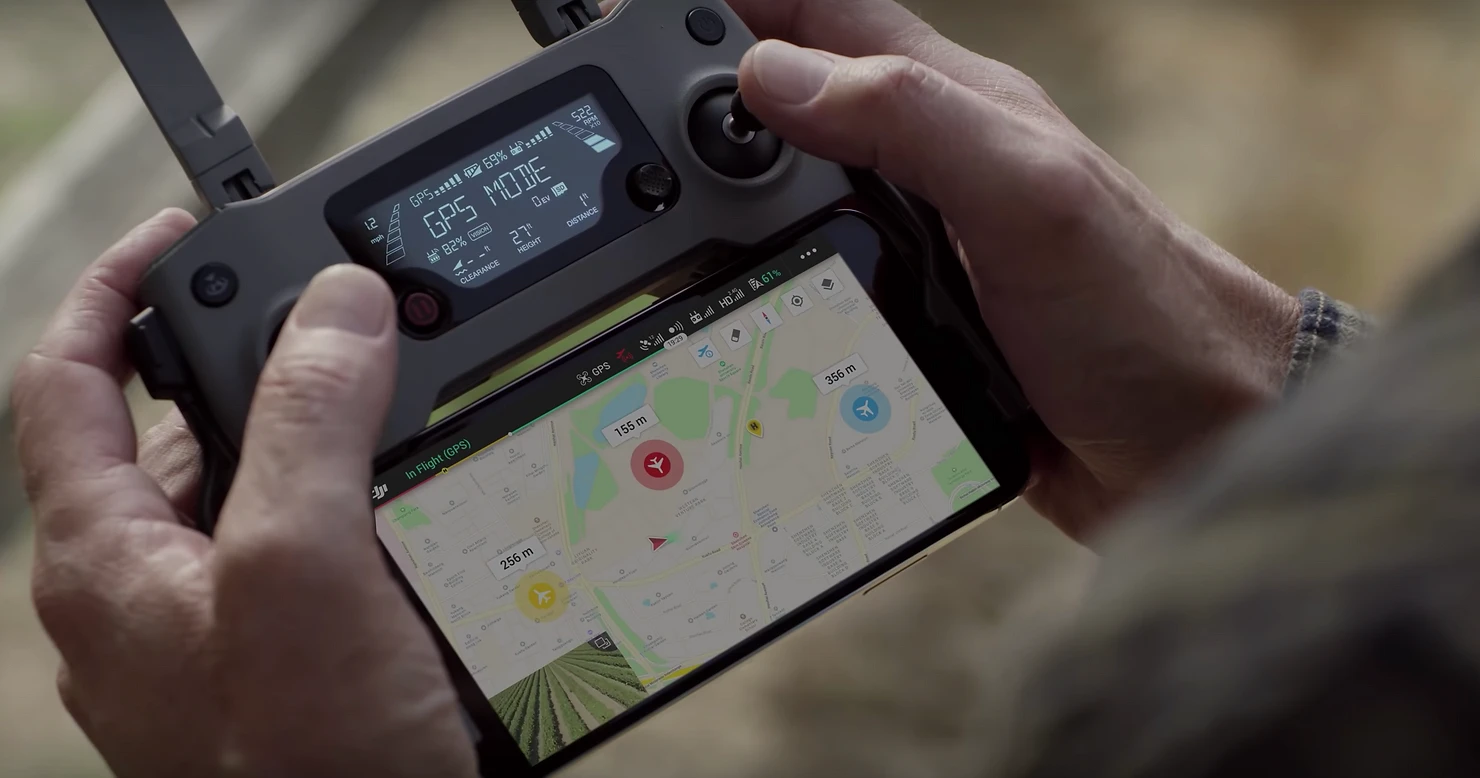
A DJI controller with AirHub's Ground Control app

Content

Specific Operations Risk Assessment for Drone Operators

What is a SORA risk analyses and how can it help you in setting up an Operating Manual for your drone operation in the Specific Category?

The Specific Operations Risk Assessment (#SORA) was developed by JARUS (the Joint Authorities for Rulemaking on Unmanned Systems) to provide drone operators a methodology for the risk assessment required to apply for an authorization to operate an Unmanned Aircraft System (#UAS) within the specific category.

The SORA proposes risk barriers to prevent the operation from going out of control and provides harm barriers in case the operation does get out of control (e.g. an emergency response plan). The SORA process starts with defining an operational volume by the operator in which the drone operation takes place. This operational volume is related to airspace adjacent to it and the surrounding area on the ground. The SORA includes both a Ground Risk Model and an Air Risk Model to determine risks to the surrounding area and the adjacent airspace, and to propose mitigating measures that can decrease those risks.

The SORA provides drone operators with the risk assessment methodology required to support the application for an authorization of a drone operation in the Specific Category.

In this article we will tell you more about the methodology behind the SORA and how this can help you set up an Operating Manual for your drone operation.


The Concept of Operations (ConOps)

The first step in the SORA process is describing the Concept of Operations (#ConOps) for the drone operation that you want to carry out. This ConOps requires you to collect and provide sufficient technical, operational and human information related to the intended use of the UAS. The ConOps should not only be a description of your operation but also provide insight into the operational safety culture at the organisation.

Basically you will need to describe the who's, what's and where's of the operation that you intend to carry out. For this you will need information about the drone and supporting equipment that will be used, you will need to know who will pilot the drone (and what his/her qualifications are), how the organisation will make sure that the operation is conducted safely and where the operation will take place (e.g. the airspace classification and the area that will be overflown).


Determining the Ground Risk Class (GRC)

The UAS ground risk relates to the unmitigated risk of a person being struck by the drone (in case of loss of control) and is represented in the SORA by eleven Ground Risk Classes (#GRC). The initial GRC is derived only from the dimensions and kinetic energy of the drone, the type of operation (#VLOS or #BVLOS) and the operational scenario (operations over an unpopulated or populated area, if the area is controlled or if the area includes a gathering of people).

The unmitigated risk of a person being struck by the UAS can be controlled and reduced by means of mitigations. This can, for example, be done by having an effective Emergency Response Plan (#ERP) in place. It is also possible to reduce the GRC by the limiting the effect of the ground impact of the drone by installing an emergency parachute. A third option is to have effective technical containments in place (e.g. active geofencing).

Each risk mitigation (or lack off) provides the you with a factor (+1 to -4) that can be added to the initial GRC to determine the final Ground Risk Class. When the final GRC is determined, the next step is to look at the air risks for the operation.


Determining the Air Risk Class (ARC)

The Air Risk Class (#ARC) is a generalised qualitative classification of the rate at which a drone would encounter a manned aircraft in a typical civil airspace. It provides an initial indication of the collision risk for the airspace, before mitigations are applied. The ARC can found by answering questions in the SORA flow chart about the altitude of the operation, if the operation is in controlled or uncontrolled airspace, if the operation takes place near an airport and if urban or rural areas are overflown.

The flow chart will tell the you what the initial ARC (A - D) is for the intended operation. However, the ARC is a generalised classification, so you - the operator could - consider that the qualification is too high for the conditions within the intended operational volume. If this is the case you can apply strategic and tactical mitigations to lower the ARC.

Strategic mitigation generally consists of procedures and operational restrictions aimed at mitigating risk by reducing the drones encounter rate, or time of exposure, prior to take-off. Strategic mitigations are divided between mitigation which can be controlled by the operator (strategic mitigation by operational restrictions) and those which cannot (strategic mitigation by structures and rules).

Tactical mitigation generally consists of mitigations that are applied after takeoff and take the form of a “mitigating feedback loop.” A mitigating feedback loop is a dynamic system employed to reduce the rate of collision by continuously modifying the geometry and dynamics of aircraft in conflict in an airspace, based on updated aircraft conflict information such as air traffic control (#ATC) traffic alert and collision avoidance system (#TCAS), unmanned traffic management (#UTM and See and Avoid (VLOS).

The Air Risk Class can be reduced by applying strategic and tactical mitigations.

After applying the strategic and tactical mitigations, the final ARC can be determined. Based on the final ARC objectives can be formed to prevent an infringement of the adjacent airspace next to the operational volume. The finial ARC in combination with the final GRC will also determine the Specific Assurance and Integrity Levels based on which Operational Safety Objectives are formed.


What are SAIL and OSO?

Specific Assurance and Integrity Levels (#SAIL) is the chosen parameter in the SORA methodology to consolidate the ground and air risk analysis. The level of confidence represented by the SAIL is not quantitative but instead corresponds to objectives that need to be complied with, descriptions of the activities that might support the compliance with those objectives and evidence to indicate the objectives have been satisfied.

Based on the SAIL (levels I - VI) Operational Safety Objectives (#OSO) are determined for barriers and mitigations to different threats, such as a technical issue with the UAS, a deterioration of external supporting systems, human error and adverse operating conditions. These OSO's basically describe the requirements for the operators organization, the drone and the pilot.

For the pilot requirements will be set on the knowledge and skill-levels he has to possess. These can be obtained by taking the right theoretical and practical drone training. Having the right drone and equipment is crucial for conducting a safe operation, the OSO also describe the requirements for the technical assessment of the drone, equipment and service. The organisation itself needs a SORA compliant Operating Manual to have the right procedures in place to safely and efficiently perform its drone operations.


Writing a SORA compliant Operating Manual

A professional Operating Manual is essential in setting up a safe and efficient drone operation. At AirHub we have written Operating Manuals for many different organisations in various industries. And although every organisation and drone operation is different, we have identified a number of need-to-haves for a SORA compliant Operating Manual.

A professional Operating Manual is essential to setting up a safe and efficient drone operation.

The first requirement is to make sure that your manual is properly structured to clearly distinguish general information from your operating procedures and other sections. At AirHub we use a format derived from traditional aviation manuals for this. It is also important to clearly describe the organisation behind your flight operation and the assigned responsibilities. A third requirement is to provide enough technical information about the drones, equipment and services used for your operation and maintenance requirements that apply to it.

The core of you operating manual will be the procedures that have to be applied by your personnel. It is very important to develop clear and easy to use standard operating procedures (#SOPs) for all actions from flight planning to post flight data processing. You will have to make sure that all mitigating measures stemming from your SORA analyses are incorporated in your normal, abnormal and emergency procedures.

The last requirement is to provide your personnel with all documentation needed to perform a mission. Make sure they have easy acces to all checklists, forms, etc. A professional Drone Operations Management System will save you lots of time and money with this.


How AirHub can help

At AirHub we have guided many organisations across various industries with setting up a safe, efficient and compliant drone operation. Contact us to take advantage of the experience and expertise of our consultants. They will guide you in applying the SORA risk analyses methodology and in setting up an operating manual specific to your operation. And with our AirHub Drone Operations Management platform you will be able to gain a comprehensive insight into your drone operation.

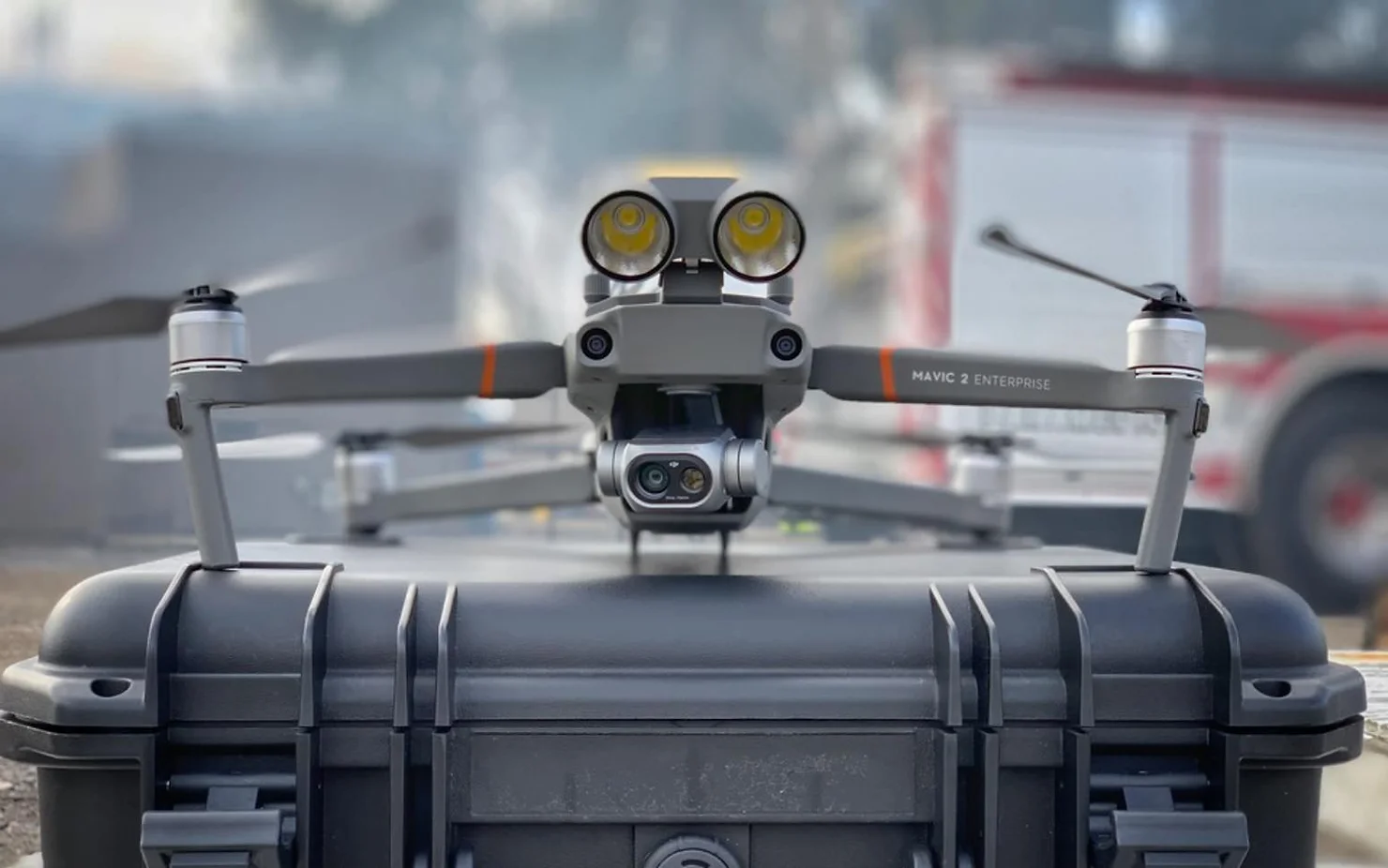
An enterprise drone with spotlight attachment on its carrying case

Content

DJI Mavic 2 Enterprise - Drone Starter Package

Save time and money by getting the right drones, tools, software and more with our Drone Starter Packages specifically composed for your type of operation.

Setting up a professional drone program at your company is no easy task. What is the right drone for the job? Which #software do we use to process the data? How do we stay compliant with national and local regulations? We will help you answer these questions and get an instant return on investment on your drone program.


The DJI Mavic 2 Enterprise

Whether you want to perform search and rescue missions, fight fires or inspect industrial assets such as bridges power lines or cell towers, the DJI #Mavic 2 Enterprise is the perfect companion for almost any mission. The standard version of the Mavic 2 Enterprise comes with a powerful 12MP camera with 2x optical and 3x digital zoom that is great for close up inspection purposes. The Mavic 2 Dual is equipped with an optical and FLIR thermal camera that can be used for both visual and thermal inspections. Both aircraft can also be fitted with optional accessoires such as a spotlight, a speaker and a beacon. The Mavic 2 Enterprise series aircraft are equipped with advanced safety features such as ten sensors that prevent a collision with objects and comprehensive data encryption.

At AirHub we will provide you with the version of the Mavic 2 Enterprise that exactly suits your needs and deliver it with a professional tablet including our Drone Operations Management software. We will also make sure you have all the additional accessoires and equipment you need to perform consistent, low risk operations. And all our M2E drones come with a 12 moth replacement warranty and the possibility to enjoy our maintenance service, so you will never have to worry about operational availability.

Choosing the right drone is essential for the succes of your operation.


Software that matches the hardware

By using the right processing software, you can turn the #data you have captured into actual value. It does not matter if you are in #agriculture, #construction or #inspection. We will provide you with the third-party software needed to create #3D models, high resolution maps, #NDVI analyses and more. And with the AirHub Drone Operations Management Software you will be able to safely and easily get airspace intelligence, plan and track your flights with #UTM connectivity and manage your fleet, teams and maintenance.

Use AirHub to fly safe and stay compliant with national regulations.


Get trained and get certified

Buying the right drones and software is just the beginning. In order to create a safe, efficient and compliant drone operation you want to provide your crews with comprehensive ground and flight training on your standard operating procedures (#SOPs) and flight scenarios. AirHub will guide you in this with setting up an Operations Manual and by assisting you with the application for the necessary #waivers and #certificates for your operation. Once your operation is up and running we will also be there to support you if any questions arise. As an operations manager you can use the AirHub Drone Operations Management platform to schedule maintenance, check the currency of your crew, provide them with the necessary documentation and much more.


How AirHub can help

At AirHub we have guided many organisations across various industries with setting up a safe, efficient and compliant drone operation. Contact us to take advantage of the experience and expertise of our consultants and trainers. They can help you select the right drones and software, write your standard operating procedures and operations manual and set up your training program and company certification. And with our AirHub Drone Operations Management platform your managers will be able to gain a comprehensive insight into their flight operation.

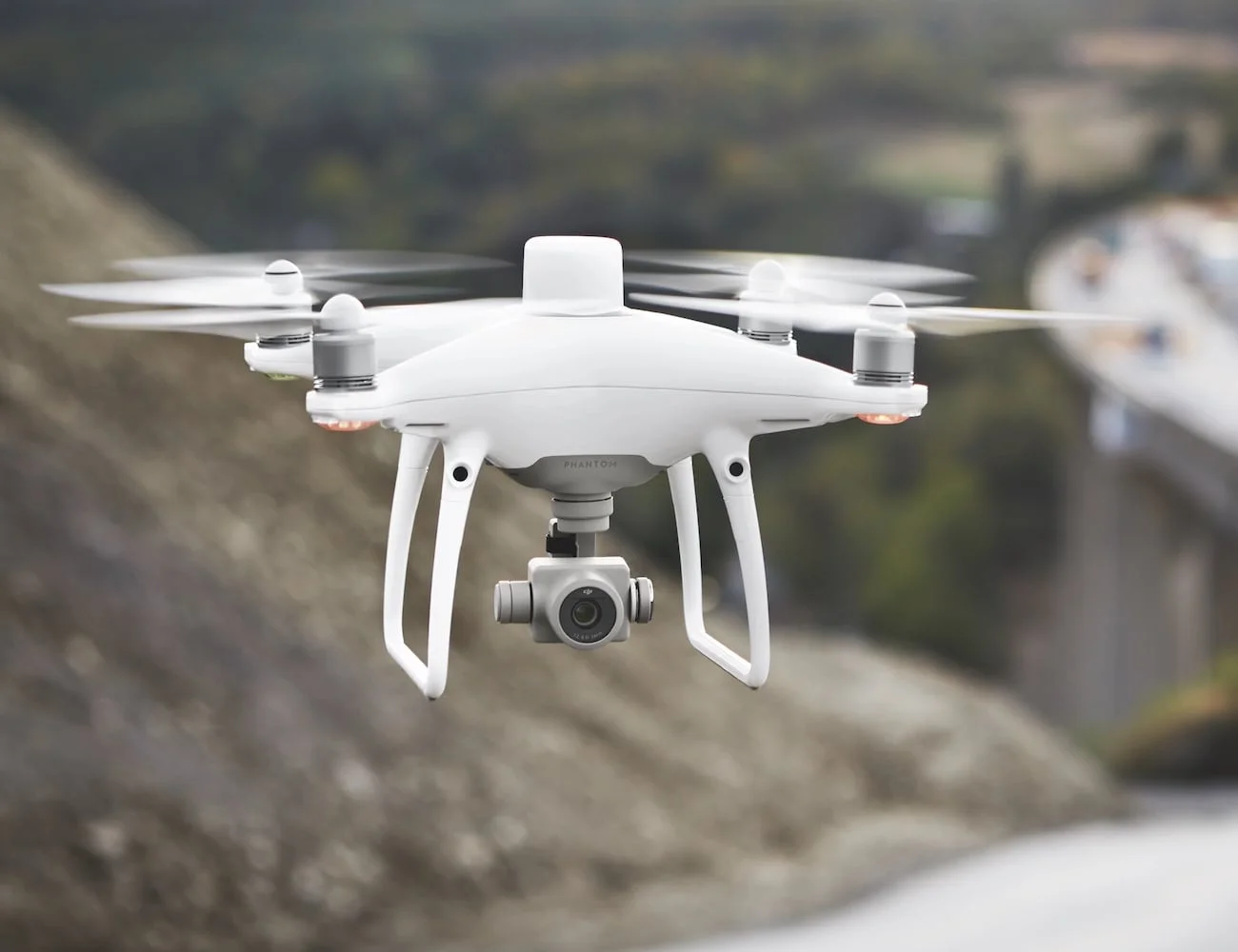
A DJI Phantom 4 with the new RTK module on top making it 100x more accurate than GPS

Content

DJI Phantom 4 RTK - Drone Starter Package

Save time and money by getting the right drones, tools, software and more with our Drone Starter Packages specifically composed for your type of operation.

Setting up a professional drone program at your company is no easy task. What is the right drone for the job? Which #software do we use to process the data? How do we stay compliant with national and local regulations? We will help you answer these questions and get an instant return on investment on your drone program.


The DJI Phantom 4 RTK

If you want to perform highly accurate mapping mission, the DJI #Phantom 4 RTK is the tool you need. The #RTK module - in combination with the optional D-RTK GNSS Mobile Station - provides real-time, centimeter-level positioning data for improved absolute accuracy on image metadata while requiring fewer ground control points. A redundant GNSS module is installed to maintain flight stability in signal-poor regions such as dense cities. Combining both modules, the Phantom 4 RTK is able to optimize flight safety while ensuring that the most precise data is captured for complex surveying, mapping and inspection workflows.

The OcuSync Transmission System provides stable and reliable HD image and video transmission at distances of up to 7 km, great for mapping larger sites. The new TimeSync system continually aligns the flight controller, camera and RTK module and hereby ensures that each photo uses the most accurate metadata and fixes the positioning data to the center of the 20 megapixel CMOS camera sensor – optimising the results from photogrammetric methods and letting the image achieve centimeter-level positioning data.

At AirHub we can provide you with a ready to fly Phantom 4 RTK and optional D-RTK GNSS Mobile Station and deliver it with a professional tablet including our Drone Operations Management software. We will also make sure you have all the additional accessoires and equipment you need to perform consistent, low risk operations. And all our M2E drones come with a 12 moth replacement warranty and the possibility to enjoy our maintenance service, so you will never have to worry about operational availability.

Choosing the right drone is essential for the succes of your operation.


Software that matches the hardware

By using the right processing software, you can turn the #data you have captured into actual value. It does not matter if you are in #agriculture, #construction or #inspection. We will provide you with the third-party software needed to create #3D models, high resolution maps, #NDVI analyses and more. And with the AirHub Drone Operations Management Software you will be able to safely and easily get airspace intelligence, plan and track your flights with #UTM connectivity and manage your fleet, teams and maintenance.

Use AirHub to fly safe and stay compliant with national regulations.


Get trained and get certified

Buying the right drones and software is just the beginning. In order to create a safe, efficient and compliant drone operation you want to provide your crews with comprehensive ground and flight training on your standard operating procedures (#SOPs) and flight scenarios. AirHub will guide you in this with setting up an Operations Manual and by assisting you with the application for the necessary #waivers and #certificates for your operation. Once your operation is up and running we will also be there to support you if any questions arise. As an operations manager you can use the AirHub Drone Operations Management platform to schedule maintenance, check the currency of your crew, provide them with the necessary documentation and much more.


How AirHub can help

At AirHub we have guided many organisations across various industries with setting up a safe, efficient and compliant drone operation. Contact us to take advantage of the experience and expertise of our consultants and trainers. They can help you select the right drones and software, write your standard operating procedures and operations manual and set up your training program and company certification. And with our AirHub Drone Operations Management platform your managers will be able to gain a comprehensive insight into their flight operation.